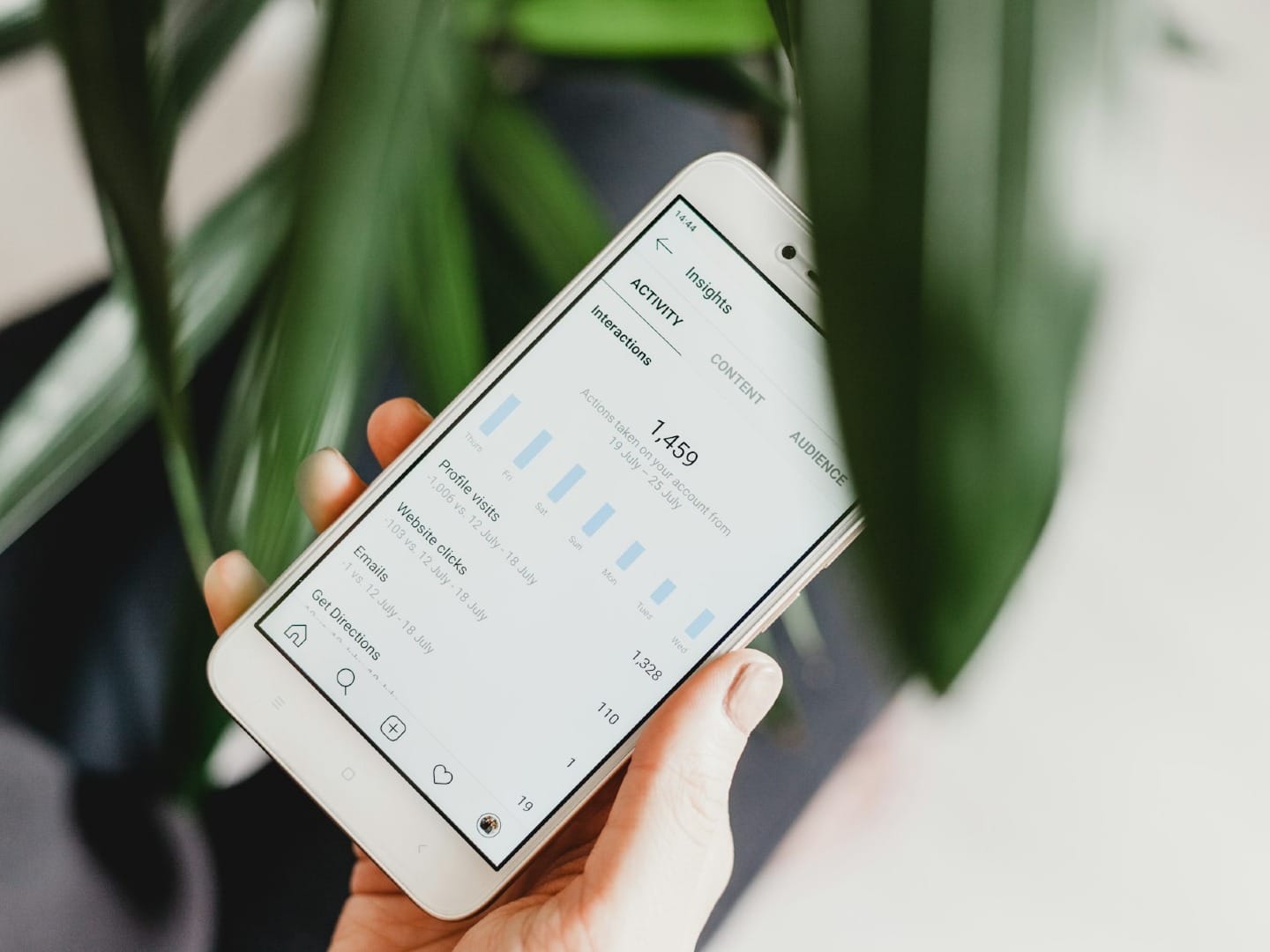
How can you tell if your likes, comments, and shares are truly “good enough”? When you only look at your own metrics, it’s easy to feel uncertain. Often, your social results only become meaningful when you compare them with businesses similar to yours. In this article, I’ll break down the latest social media benchmarks for five major platforms so you can clearly see how you measure up and where there’s room to improve. I’ve drawn on data from these Buffer reports: Buffer’s best times to post on social media — based on one million posts published via Buffer; Buffer’s Instagram benchmarks — using aggregated data from more than 27 million posts across 273k active Instagram accounts and over 13 billion engagements; Buffer’s Facebook benchmarks — using aggregated data from over 52 million posts from 213k active Facebook accounts; Buffer’s best content format on social platforms — derived from an analysis of millions of posts across multiple networks; Buffer’s guide to social media frequency — our data-backed advice on how often to post on each platform; and Buffer’s engagement rate data for eight social media platforms.⚠️ A quick note before we dive into the numbers: what counts as “good” will vary from brand to brand. You might not need a huge following to achieve your objectives. Maybe your content is very local, maybe you post less frequently but with more in-depth content, or maybe your audience simply doesn’t behave like the industry average — and that’s completely fine. Social media benchmarks aren’t meant to create pressure. Each study draws on data from different types of companies,…