You’re investing in ads and other marketing strategies, but have you ever stopped to think about the data you’re using to inform those investments? For many companies, the biggest blind spot is tracking. Hidden misfires are skewing channel reporting and attribution, ultimately throwing off your marketing decisions.
At NP Digital, we’ve helped hundreds of clients uncover recurring patterns of tracking failure. Today, we’re sharing the most common issues we see and exactly how you can fix them. No fluff. Just real problems, real fixes, and proven next steps.
Key Takeaways
- Attribution: Attribution bias is mitigated by using a shared taxonomy across data sources and maintaining clean first-party data.
- GA4: Discrepancies around revenue and event tracking with business systems are solved by integrating GA4 data with those business systems.
- Consent Management: Consent misconfigurations can lead to legal risk and lost data when CMPs are not mapped correctly to tag categories in the tag manager.
- Cross-device: Use customer IDs to unify fragmented cross-device journeys.
- Campaign Tracking: Custom setups need governance, so be sure to standardize campaign tracking structures, audit tags regularly, and align dashboards across marketing channels.
The Impact of Bad Data Tracking
Poor data tracking can be dangerous because it has the potential to distort every decision downstream. If your tags misfire, if a user doesn’t opt in and your scripts still run, or if your UTM query parameter structure breaks mid-campaign, you won’t know it until the numbers don’t add up. And by then, the damage is done.
We’ve seen firsthand how these silent issues erode marketing performance. The root causes usually fall into a few key categories:
- Incomplete or incorrect tracking setups
- Tracking that isn’t validated regularly
- Misaligned naming conventions or taxonomies
And what happens when those issues go undetected?
- Data gaps that make campaign comparisons impossible
- Attribution errors that over-credit paid and undercount organic and vice-versa
- Privacy violations if tags fire before consent, creating legal risk
Accurate tracking is the foundation of good marketing. And when it’s off, your strategy is too.
The Tracking Issues We See With Clients
Website tracking issues come in all shapes and sizes, but the same trends seem to emerge over the years of our experience working with clients. Across industries and platforms, we’ve found five tracking challenges that consistently disrupt clean data:
- Broken or biased attribution
- GA4 discrepancies.
- Vendors restrict audience splits or don’t provide raw data
- Algorithms self-optimize in ways that obscure true lift
- Privacy-driven consent issues
- Fragmented cross-platform journeys
- Custom setups without a scalable structure
These issues don’t just mess with reporting, they impact performance and decision-making. In the next few sections, we’ll break down the causes of each issue and the solutions we provide to our clients.
Incrementality Measurement & Attribution Bias
Clients come to us with concerns about the accuracy of their reporting and questions on how they can determine what’s working/not working using their web analytics data. Once we dig into the attribution model, we realize it’s only telling half the story.
Attribution bias occurs when platforms over-credit or under-credit paid clicks and under or over-count the earlier part of the customer journey. Skewing the data this way creates inflated ROI on paid channels, while undervaluing organic search or even direct traffic.
It also leads to budget decisions based on faulty data. In either case, decisions made on data that consider attribution in a silo are faulty ones for most brands .Even with incrementality testing, that in theory controls for attribution bias, there can be issues.
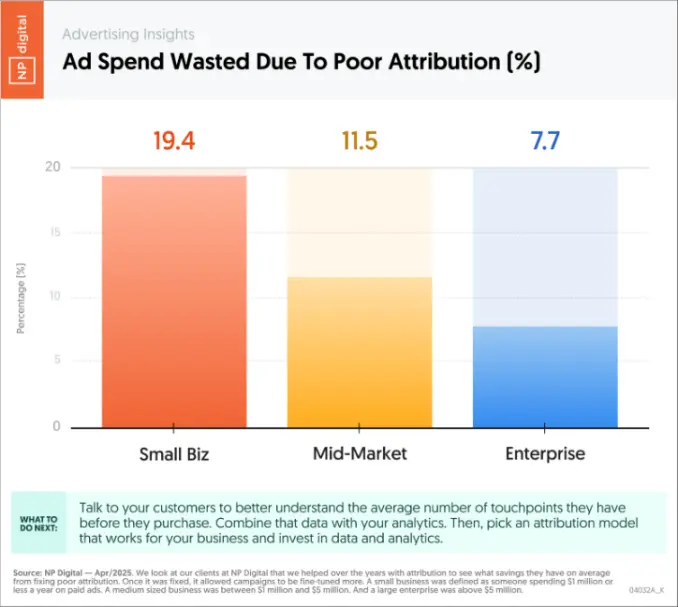
Savings can be attributed to fixing attribution:
What we recommend:
- Use a cross-platform testing platform that lets you build holdouts and unify taxonomy across campaigns.
- Design holdouts that abide to allowed audience splits.
- Leverage raw ad platform data mapped to a business, meaningful taxonomy, and business-sourced total conversions data to model incrementality.
- When analyzing results, consider factors that might skew the measurement (e.g. self-optimizing platforms) and how that might change the decisions you make based on the results before you run the test, not after.
- Run ongoing incrementality tests, not one-and-done experiments.
- Map paid and organic together when evaluating top-of-funnel performance.
Incrementality doesn’t have to be a guessing game, but you need the right framework in place to get real answers.
GA4 Data Reliability & Integration
Since the switch to GA4, we’ve seen a surge in tracking headaches. It’s not that GA4 is broken, it’s that many teams rely on it to reconcile platform data and drive reporting dashboards. But GA4 doesn’t always sync cleanly with everything else.
Here’s what we’ve seen go wrong:
- GA4 data lags behind real-time performance, which delays optimization
- Revenue in GA4 doesn’t match backend systems, causing reporting conflicts
- A/B test data often doesn’t align with GA4 sessions or events
- Key events are misconfigured or underreported due to GA4’s stricter event model
How we help clients fix this:
- Integrate GA4 with other platforms via a Customer Data Platform (CDP) to unify user-level data
- Create source-of-truth dashboards that include backend data, not just GA4
- Align testing platforms with GA4 event structure to ensure clean comparisons
GA4 can be a powerful part of your analytics stack, but only if it’s connected to everything else.
Consent Management & Privacy Compliance
Marketing teams need to prioritize tracking and consent management because tracking issues can occasionally turn into legal issues. Privacy regulations like GDPR and CPRA are becoming stricter, and many businesses aren’t ready. We’ve seen major data loss and even risk exposure due to simple missteps in consent setup.
Here’s what typically goes wrong:
- Consent Management Platforms (CMPs) fire too late or not at all
- Tags run before consent is granted, leading to compliance risks
- Cookie categories aren’t mapped correctly in GTM, causing incorrect cookies to fire
- Cookie deprecation isn’t planned for, so key audiences can disappear because steps haven’t been taken to solve for lost cookie data
These gaps could mean lost data and legal trouble.
How we help:
- We run audits using tools like ObservePoint to check tag behavior against consent status
- We configure CMPs (like OneTrust) to block tags until users opt in, mapped by cookie category
- We support clients with server-side tracking and cookieless solutions to maintain data flow
You can’t afford to guess when it comes to consent. A single misfire can cost you visibility and trust.
Cross-Platform & Funnel Visibility
Even with great tracking on individual platforms, we still see clients struggle with stitching it all together. In our experience, teams often struggle to connect the dots between a user’s first ad exposure and their final conversion, especially across devices, platforms, and channels.
Common problems include:
- No consistent customer ID across tools
- Offline or backend actions (like CRM updates or sales calls) not tied to digital campaigns
- Metrics that mean different things across platforms (e.g., “conversions” in Facebook vs. Google Ads)
The result is fragmented customer journey tracking and incomplete funnel visibility.
Here’s how we address it:
- Implement first-party data strategies that collect and unify customer IDs
- Use platforms like Segment or Tealium to connect CRM and analytics data
- Build funnel dashboards that reflect the full customer path, not just last-click attribution
Without complete visibility, optimization becomes a matter of guesswork. Clean data across platforms turns your funnel from a black box into a roadmap.
Custom Tracking & Tagging Infrastructure
Every client wants data tailored to their business, but too often, custom tracking setups become unmanageable over time. We’ve seen teams inherit messy GA4 configurations, inconsistent UTM naming conventions, and dashboards that pull data from five sources with little to no alignment.
That makes auditing a nightmare and decision-making unreliable.
Common breakdowns we’ve seen:
- Event tracking is implemented manually, inconsistently, or without clear documentation
- Tools like Claravine or Funnel.io are underused or misconfigured
- Data (SEO, paid media, etc.) and backend teams all report on different numbers
How we fix it:
- Run full tag audits to spot inconsistencies or redundancies
- Standardize UTM frameworks and naming conventions across channels
- Set up integrated dashboards that map channel and revenue data in one view
Clients need a more complex measurement solution to accommodate today’s users. The modern customer is more mature and selective. They’re doing more research on who you are as a brand, across channels, before they convert. Teams are doing a great job of implementing multiple channels to bring these customers into the fold, but you need to implement a unified solution to make the most of the data they provide.
Tracking Issues in 2025 vs 2024
Tracking in 2025 looks very different from where we were just a year ago.
Last year, the biggest issues were setup-related: getting GA4 live, consistently tagging campaigns, and stitching data together across ad platforms. Clients were exploring tools and figuring out where things were breaking.
This year, the challenges have matured. Now it’s about optimizing what’s in place, shifting from basic implementation to smarter, scalable solutions.
What’s changed:
- Tagging stability has improved, but the pressure is on to prove ROI with less data
- Consent compliance and cookie deprecation are non-negotiable, not “nice to haves”
- Incrementality testing and attribution refinement are top priorities
- Teams are pushing beyond dashboards to revenue-backed insights
- New platforms (like ArtsAI and OptiMine) are being evaluated with deeper scrutiny
The takeaway: In 2024, it was about getting things up and running. In 2025, it’s about whether your setup can scale, adapt, and stay compliant.
How You Can Start Improving Your Data Tracking Today
If you’re running into tracking issues or even suspect something’s off, don’t wait for a reporting crisis to assess the situation. You’ll save yourself time and headaches by looking into the issue now.
Here’s where we recommend starting:
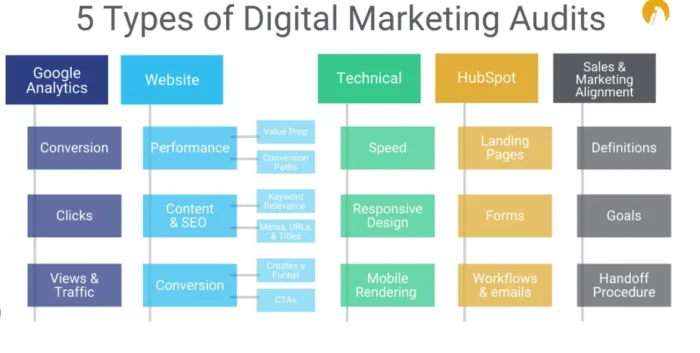
- Run a Full Audit: Use tools like ObservePoint to validate which tags are firing, where, and under what conditions. Focus on consent compliance, event coverage, and load order.

Source: https://www.observepoint.com/blog/how-to-import-your-onetrust-consent-categories-in-a-snap/
Source: https://lakeone.io/blog/digital-marketing-audit
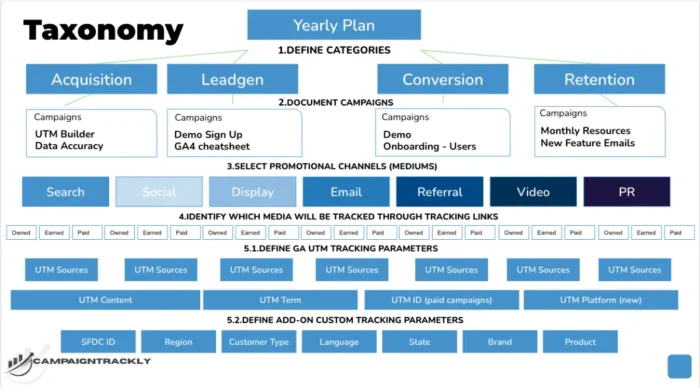
- Standardize UTM and Taxonomy: Create a documented framework across your paid, organic, and internal teams. Inconsistent naming kills cross-platform clarity.
Source: https://www.campaigntrackly.com/utm-link-tracking-strategy-in-6-steps/
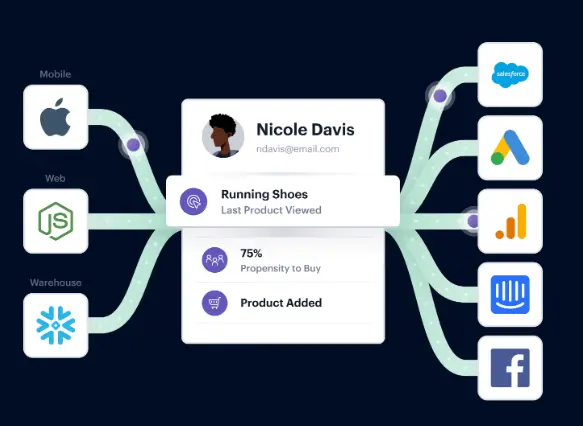
- Reconcile GA4 With Backend Data: Build a dashboard that includes both GA4 and revenue data from your CRM or database. That’s your source of truth. Don’t only rely on platform-reported numbers.
Source: https://segment.com/product/unify/?ref=nav
- Fix Consent Setup: Audit your consent management platform (CMP) setup and make sure no tags fire before consent. Use active group triggers (like in OneTrust) mapped to tag categories.

Source: https://wplegalpages.com/blog/consent-audit-and-logging-best-practices-tools-for-compliance/
- Integrate Customer IDs Across Tools: Use platforms like Segment or a customer data platform (CDP) to unify first-party data and connect journeys across devices.
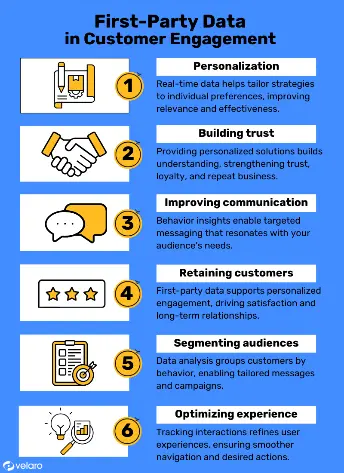
Source: https://velaro.com/blog/what-is-first-party-data-a-definition-and-how-to-use-it
- Rethink Attribution: Move beyond last click. Explore incrementality testing or multi-touch attribution models that actually reflect how your audience buys.
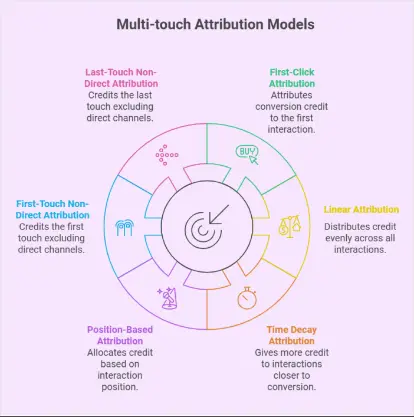
Source: https://usermaven.com/blog/last-click-attribution
Conclusion
If your tracking setup isn’t solid, your data and every decision built on it is at risk. From attribution errors to consent gaps, we’ve seen how small misfires create major problems. But the good news is that most of these issues are fixable with the right audits and tools in place.
Whether you’re optimizing GA4, cleaning up cross-platform reporting, or getting your consent setup compliant, now’s the time to level up. Better data means better marketing, and it starts with tracking that works.
Need help getting there? Start with our conversion tracking guide or explore how technical SEO impacts your data foundation.