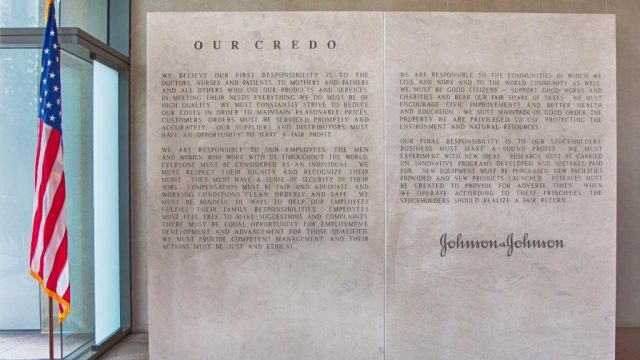
Invoking values is central to how enterprises position themselves. But a values statement, standing alone, carries little real weight — and can even damage a brand’s reputation and overall value. Without an underlying ethos of integrity, a values statement is just a tool, not a true system — it fails to become a meaningful bridge between an organization and its stakeholders, or a genuine engine for how products and services are designed and delivered. An ethos of integrity is defined by consistent alignment with stated values and by executing decisions within those boundaries. It prioritizes honesty in both design and positioning. It shields an enterprise from forces — including executive ego — that prioritize narrative over substance. It begins with values, but only comes to life when leaders apply it reliably through project execution and performance measurement. An ethos of integrity guards the enterprise against impulsive, high‑risk behavior that can undermine sustainable growth and performance. This article appears in Branding Strategy Insider’s FREE newsletter. Join leading marketers worldwide and subscribe here to receive practical insights straight to your inbox. Four structural levers enable an organization to strengthen its integrity and, in turn, its brand: a disciplined strategic plan; a clear decision-making framework; uncorrupted data; and a strong governance structure. Actively using these levers is critical to keeping the organization’s stated ethos authentic and effective. Without them, most brand investments are largely squandered. The Strategic Plan The plan serves as the organization’s launchpad for action. A disciplined, board-approved strategic plan with defined…