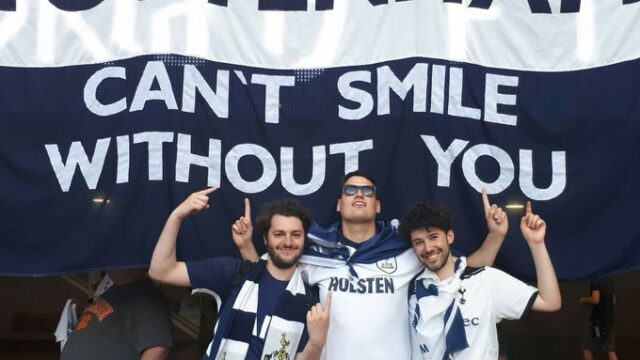
The recent uproar over Tottenham Hotspur’s use of “Can’t Smile Without You” looks, at first glance, like a simple story. A songwriter, who happens to be an Arsenal fan, dislikes Spurs using ‘his’ song. Lawyers talk about licensing. Supporters shrug. Tabloids lean into the rivalry narrative. End of story. Except it isn’t. Because underneath the jokes and jibes lies a more complex, unresolved issue: at what point does licensed usage slide into cultural appropriation, and when does a brand’s legal entitlement fall short of moral legitimacy? By focusing on rivalry and royalties, the tabloid narrative distracts from the real question. This article appears in Branding Strategy Insider’s newsletter. Join the world’s smartest marketers and subscribe here for practical insights delivered straight to your inbox.
The Legal Defense Is Straightforward — And Largely Missing the Point
From a purely legal perspective, Tottenham is almost certainly covered. Premier League clubs hold broad PRS and PPL licenses that authorize the public performance of recorded music in stadiums. These blanket licenses exist specifically to avoid having to strike individual deals with rights holders every matchday. In that sense, Spurs are not pirating the track. They are paying — indirectly, collectively, and at arm’s length — for permission to play it, just as they do with countless other songs. Yet legality is not the same as legitimacy. Brands that hide behind legal compliance alone often overlook the deeper reputational consequences.
A Love Song Recast as Brand Asset
“Can’t Smile Without You” was never conceived as a football terrace anthem. It began life as a tender pop ballad, later made famous…