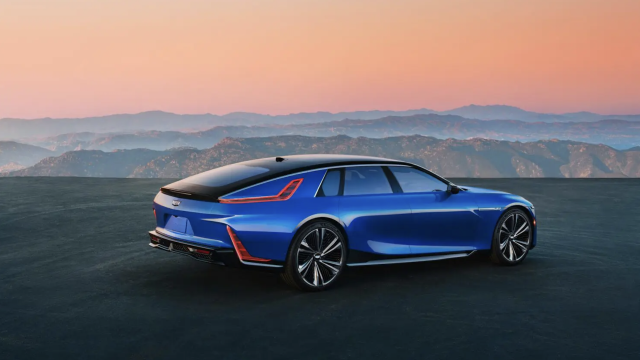
If you picked up The Wall Street Journal Magazine that came with this weekend’s Saturday-Sunday edition of The Wall Street Journal, you would have seen an ad from Cadillac promoting its new Celestiq model. It’s no shock to find a high-end auto brand in The Wall Street Journal Magazine, right alongside Cartier, Armani, and Dior. What is unexpected, however, is how hard you have to look to find the Cadillac name. It is there, but the Cadillac wordmark appears in small type, tucked into the brand’s URL. Dominating the two-page spread is a striking, arrest-me-red car with a Cadillac crest hovering above it. This article comes from Branding Strategy Insider’s FREE newsletter. Join the world’s sharpest marketers and subscribe here to get actionable insights delivered straight to your inbox. Years ago, before Nike’s Swoosh, before the omnipresent Golden Arches and the bitten Apple, Marlboro ran print and outdoor ads that never mentioned the Marlboro name. You instantly recognized Marlboro when you saw the cowboy’s gloved hand holding a cigarette. You knew you were in Marlboro Country just by the landscape. At that time, no other major advertised brand omitted its name. That has changed. A logo can be incredibly powerful, but that power is earned over time. Logo strength must rest on a brand promise that is compelling, relevant, and clearly differentiated. A logo matters. It is the brand’s flag. But a logo alone does not create customer relationships or…