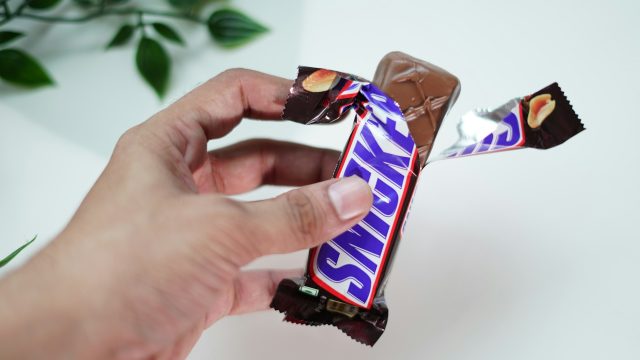
Andrew Clarke, president of Snacking Global at Mars, recently sat down with The Wall Street Journal for a conversation. In that interview, Mr. Clarke highlighted several significant and exciting innovation priorities and areas of focus that Mars is pursuing across its snack brands. Having advised Mars for many years, I listened closely. Some of the most insightful, practical, and imaginative research I have ever seen—research that set remarkable strategic directions—came from Mars. Their work on food, spanning physiology, biochemistry, sports performance, dental health, and nutrition, was rigorous, intelligent, and often ahead of its time. This article appears in Branding Strategy Insider’s FREE newsletter. Join many of the world’s sharpest marketers and subscribe here to receive actionable insights straight to your inbox. That is why I was taken aback that the interview did not delve into the underlying drivers—the reasons people snack and consume foods and beverages in the first place. Historically, Mars has been a company that elevates this kind of thinking as a foundation for innovation and renovation. I compare this with another Wall Street Journal interview, this time with the president of Pepsi US Beverages, whose remarks were rich with compelling observations about consumer behavior and attitudes toward drinks. Many years ago, to sharpen the brand promises and positioning across the Mars portfolio, the company worked with an anthropologist and behaviorists to build a psychological and physiological framework—an actionable model explaining why people snack and, more broadly, why they eat. The components of this framework were, and remain, universal. Grasping these universal needs and the problems they solve is essential to building strong brands. Although the…